
Artificial Flowers and Their Importance to Interiors in 2026

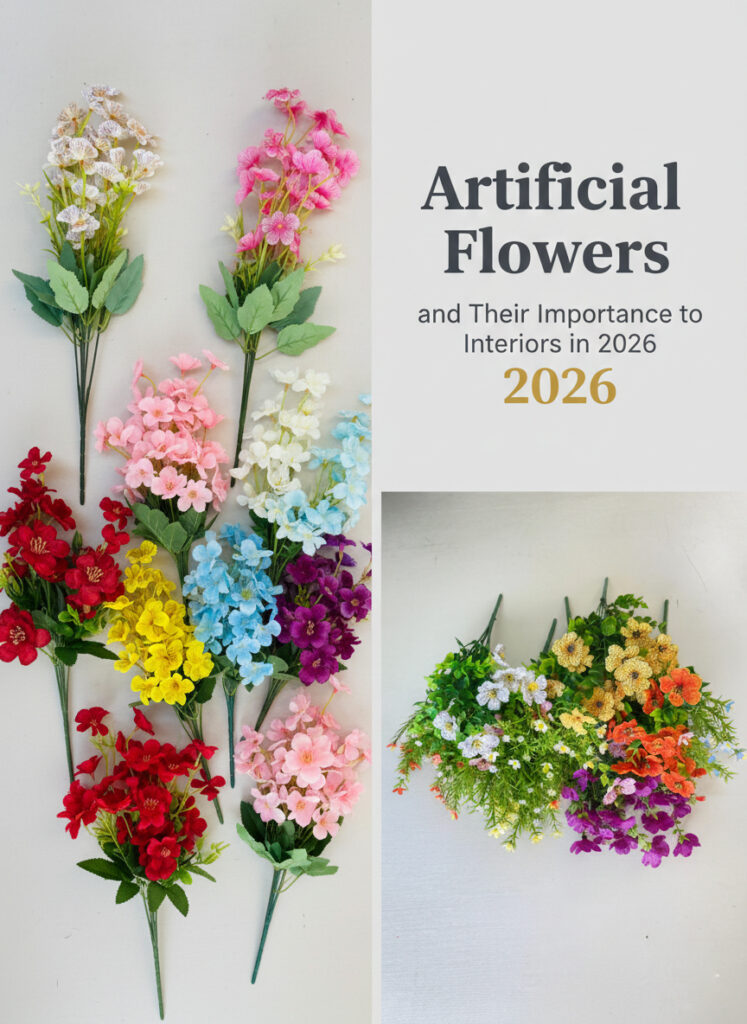
The Role of Artificial Flowers in Modern Nigerian Interiors
In 2026, interior decoration in Nigeria is no longer limited to furniture and paint colors. Greenery has become an essential part of how homes, offices, hotels, and event spaces are styled. Artificial flowers now play a central role in this change, not only because of their visual appeal but also because of their practicality within Nigerian living conditions.
Climate and Maintenance Advantages
One major reason artificial flowers are gaining importance is the country’s climate and maintenance challenges. In many Nigerian cities, heat, dust, and inconsistent water supply make it difficult to keep natural plants healthy indoors. Artificial flowers remove this burden. They do not require sunlight, watering, or trimming, yet they remain fresh-looking throughout the year. This makes them suitable for apartments, offices, banks, salons, and religious spaces.
Cost Efficiency for Homes and Businesses
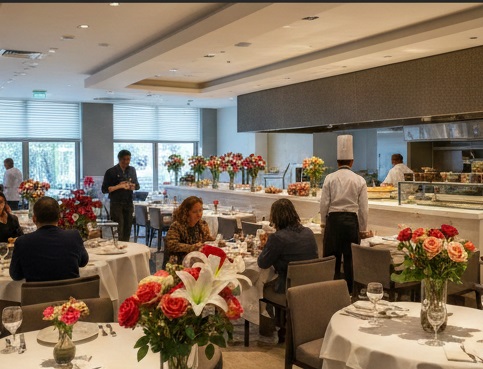
Artificial flowers also offer strong financial value. Natural flowers need frequent replacement, which increases long-term expenses. Artificial flowers, however, are a one-time purchase that can last for years. For Nigerian households and business owners seeking durability and savings, this makes them a practical option. Hotels, lounges, and event venues increasingly choose artificial arrangements to maintain attractive interiors while controlling operating costs.
Support for Contemporary Design Trends
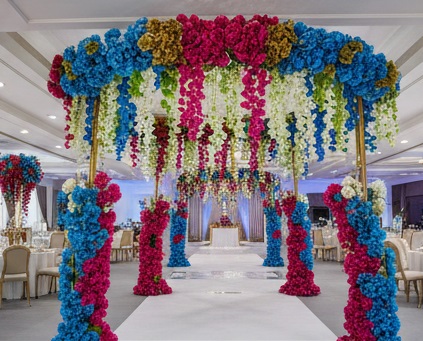
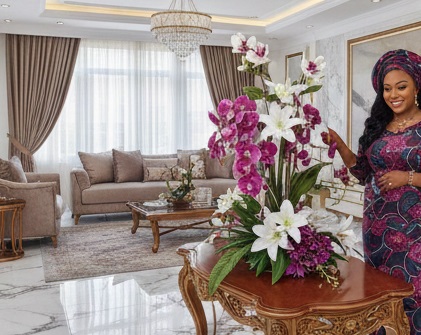
Interior design trends in Nigeria in 2026 emphasize calm spaces, minimalism, and nature-inspired themes. Artificial flowers blend easily into these styles, whether used as ceiling droppings, green wall features, table centerpieces, or entrance décor. They suit both luxury properties and modest homes, allowing different social groups to enjoy modern interior aesthetics.
Health and Hygiene Considerations
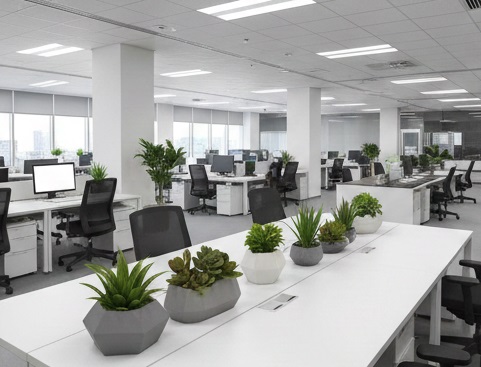
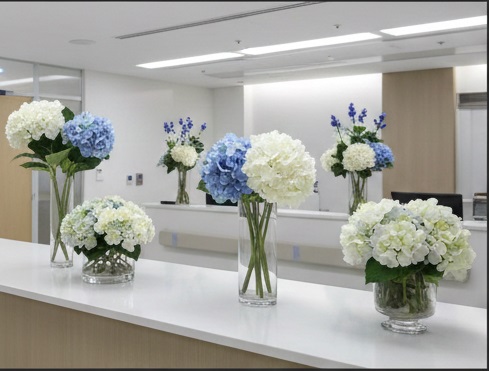
Health and cleanliness are becoming more important in interior spaces. Real plants can attract insects and develop mold in humid or dusty environments. Artificial flowers do not contain soil or moisture, making them safer for hospitals, restaurants, and workplaces where hygiene is a priority. Their low-risk nature makes them suitable for high-traffic indoor environments.
Cultural Value and Social Perception
In Nigerian society, the appearance of a space reflects personal pride and social status. Well-designed interiors are seen as a sign of progress and good taste. Artificial flowers contribute to this perception by adding life, color, and balance to rooms without the challenges of natural plant care. They also allow designers to explore creative layouts that would be difficult to sustain with real plants.

Conclusion
Artificial flowers in 2026 are no longer viewed as simple replacements for real plants but as important interior décor elements. In Nigeria, where climate conditions, cost considerations, and maintenance demands influence design choices, artificial flowers provide a reliable and stylish solution. Their growing presence in interior spaces continues to shape how modern Nigerian homes and businesses are designed.